VETTS: Bringing Veterinary Care to pet owners. Anytime, anywhere.
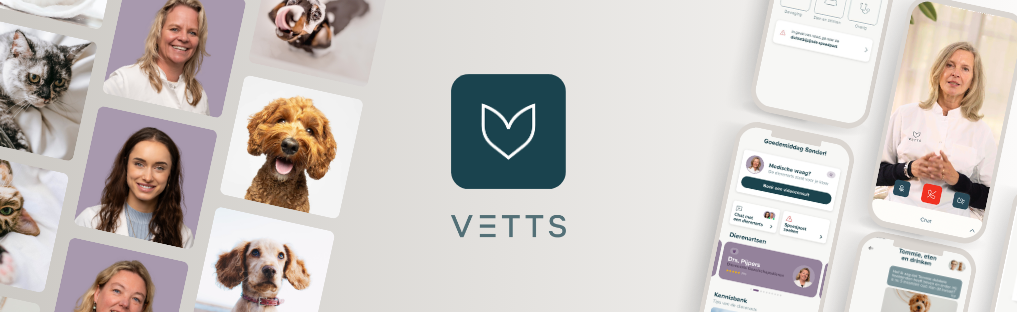
When Ted van Rulo watched a friend’s labrador fall ill late one evening, it sparked a question that would become the foundation of VETTS: what do you do when your vet is closed and Google only adds panic? “We drove to a 24/7 clinic and paid € 300 to find out nothing was wrong”, he recalls. That moment exposed a gap in access to veterinary advice, and hinted at a solution that digital care could offer.
Van Rulo’s entrepreneurial instinct was already well developed when he began exploring the idea. His previous venture (importing a 40-tonne container of teddy bears from China) had nothing to do with veterinary care, but left him with some fundamental experiences. While working in social media and influencer marketing, he quietly began interviewing vets and practice owners to understand what online care might mean for their field.
The more conversations he had, the more he saw the potential. “I spoke to vets to understand the bottlenecks”, he explains. In search for vets to help operate the platform, conversations led him to Nicole de Schwartz, a veterinarian with decades of experience in the field. She quickly recognised the gap VETTS was trying to fill. “After meeting the team, it didn’t take long before I was completely convinced”, she says.
Clinical expertise goes digital
At VETTS, every chat or video consult is handled by a vet with a minimum of five years’ clinical experience. De Schwartz emphasises why that matters. “The clinical picture you build over the years is incredibly valuable when advising remotely”, she notes. According to their data, 83% of cases can be resolved without a clinic visit, making online triage a practical addition to the existing system rather than a replacement.
In some cases, this approach even improves advice. Behavioural issues, a limp or stress-related symptoms often present more clearly at home than under bright lights in a clinic. “Pets freeze in the examination room, but with video we see their real behaviour”, says Nicole.
Rising costs and limited access
The timing for VETTS could hardly be more relevant. Veterinary costs have risen sharply, driven in part by consolidation in the sector and a shortage of vets. “People can’t always get an appointment within a day or two”, says Nicole. Regional differences add to the pressure: a standard consult can cost over €60 in Amsterdam, far above the national average. This drives postponement of care.
That urgency is shared by insurer Univé, which partnered with VETTS in 2024. With the collaboration, they aim to help reduce pressure on clinics, lower costs and prevent delayed care.
Working with clinics
VETTS actively collaborates with veterinary practices, supporting them, especially outside regular hours. In a pilot with a clinic in Joure, where pet owners would otherwise drive 45 minutes to the nearest emergency service, VETTS provides first-line online advice and sends a summary to the clinic for follow-up the next day. “We’re not replacing the clinic. We’re a practical addition”, Ted says. The model reduces pressure on physical practices while giving owners an accessible step before deciding on in-person care.
Building the right clinical model
VETTS ensures its vets maintain work-life balance, a major challenge in traditional practice. Shifts are flexible, evenings or weekends, and designed around sustainable workloads. With vets joining from multiple time zones, including an evening shift covered from Bonaire, the model allows round-the-clock availability without night-shift fatigue. “It’s a very pleasant way to practise the profession”, adds Nicole.
VETTS focuses on reassurance, triage and guidance: from second opinions to late-night advice for a vomiting puppy. “We help people sleep peacefully until they can visit their vet the next morning”, says Nicole.
Partnership with insurers
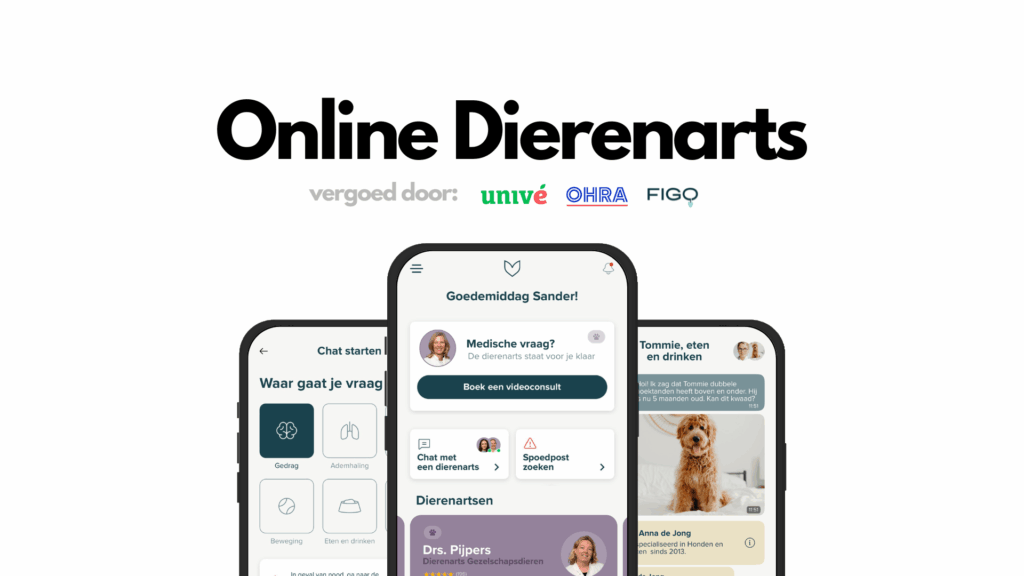
The journey to insurer partnerships was not simple. It required persistence, data and dozens of conversations. “We had dozens of meetings before things started moving”, Ted says. Early pilots with OHRA proved the concept, showing high satisfaction scores and clear cost savings when unnecessary emergency visits were avoided.
Technology that supports
While generative AI looms over every sector, VETTS sees it as a tool rather than a threat. “AI can make our vets more efficient”, Ted says. The team is already working on automated consultation summaries, chat recommendations based on breed and age, and smart follow-ups that help owners monitor wound care or recovery. Importantly, VETTS insists there will always be a human expert behind every interaction. “You’re never talking to a chatbot. That’s essential to us”, he emphasises.
The long-term vision includes preventive care features such as vaccination reminders and lifestyle-based advice. For now, the focus remains on the Netherlands and Belgium, with international expansion to follow. “We want to be very good here first”, Ted says.
A sharp pitch through the BANN programme
VETTS’ participation in the Briskr accelerator proved unexpectedly transformative for the team. Ted admits he entered with scepticism but left convinced. “The pitch training was next level. Even for us, and we’ve been pitching for a while”, he says. The final event led to investor meetings, critical feedback and sharpened storytelling.
With thousands of consults behind them, rising demand and a growing veterinary pool, VETTS is positioning itself at the forefront of accessible pet healthcare. “We’re building the future of veterinary medicine”, Ted concludes.