From silence to support: Dearly is redefining how we deal with loss and grief
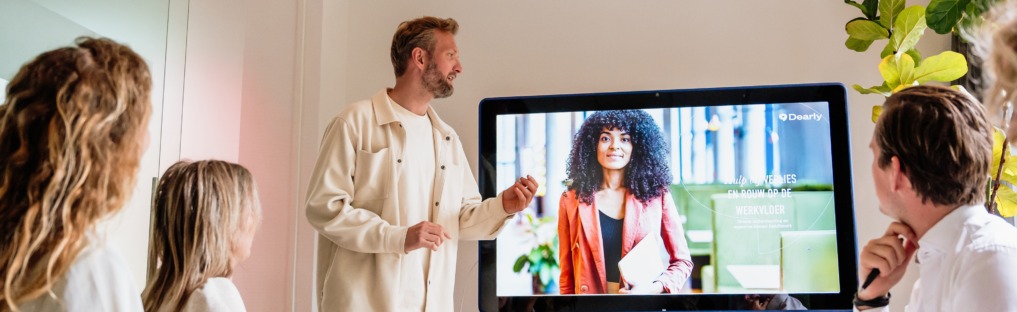
Grief does not stop at the office door. Yet many workplaces still treat loss as something to ‘get over’ quickly, quietly, and preferably out of sight. Dearly was founded to change that, by helping employers and employees make grief and loss a normal, supported part of working life.
Dearly was founded by Pieter van der Oest, driven by a conviction shaped early in his life. “I was 18 when I lost my father”, he explains. “I noticed how uncomfortable and unskilled we are when it comes to grief. We leave people who face a life changing loss very much alone, there’s no space to share loss and sadness, even though it’s a healthy response”, Pieter says. So, for Dearly, the goal is normalization of grief, so that loss can be acknowledged, supported, and carried together, including at work, where people spend a large part of their lives.
Dearly’s focus on employers is grounded in both human impact and business reality. Each year, around 300,000 employees in the Netherlands experience the loss of a loved one, and that does not include other forms of loss, such as divorce, health changes, or major life transitions. “Every loss, every absence due to grief, sets off a chain reaction. An employee who is grieving in silence doesn’t just impact themselves, but also their family, their colleagues and the wider business.”
A cultural blind spot on the work floor
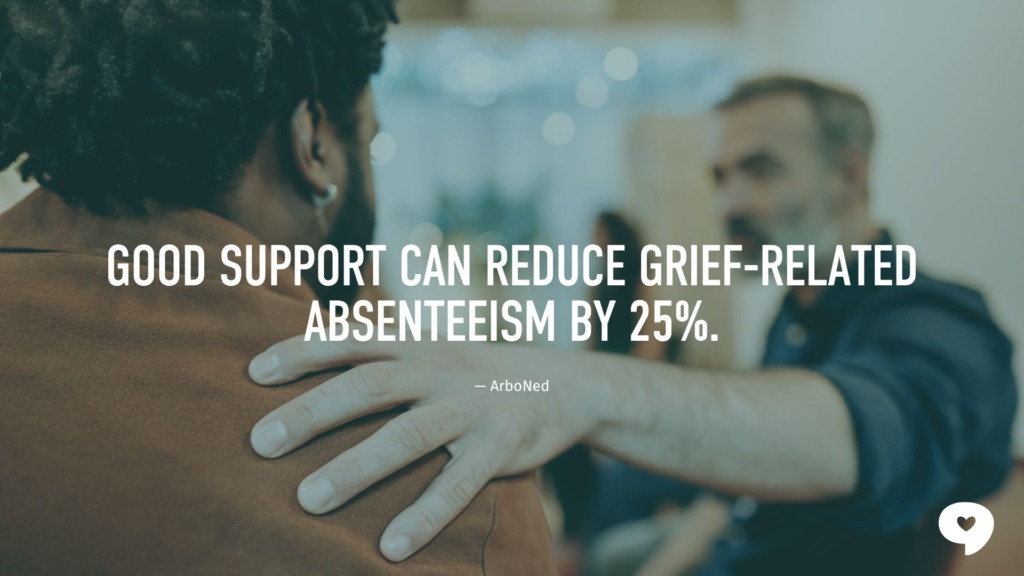
The numbers make the case for a new approach to dealing with loss and grief in the workplace even clearer. The average absence after the loss of a loved one can rise to 219 days. With an estimated cost of around 400 euro per sick day, the financial impact quickly becomes significant.
Dearly also points to a readiness gap: around 65 percent of managers feel unprepared to support an employee in grief. Due to lack of clear policy or shared language, support becomes inconsistent and employees are left to cope on their own. “When an employee comes to you after a loss, and you don’t know what to say or which support to offer, you’re already falling behind.”
This is a consequence of how we as a society deal with loss. Grief has gradually disappeared from daily life, says Pieter. Care has become medicalised, death has moved out of sight, and support is increasingly individualised. Workplace culture often expects people to move on quickly and return to ‘normal’.
A blended model: tech for access, people for connection
Dearly originally gained visibility as a grief app, designed to lower the threshold to support and make conversations about loss easier. Today, it has grown into a broader workplace offering, including grief counselling, a grief protocol, a quickscan, training, talks, an open consultation hour, and team support.
Dearly is building a hybrid model in which technology increases accessibility, while a nationwide network of carefully selected grief professionals delivers counselling and team support. Pieter is clear that grief support cannot be reduced to automation. “If we choose to automate everything, and involve as few people as possible, we miss what grief actually needs, human connection”, he says.
Building a cultural shift
A key part of Dearly’s proposition is that professional counselling is not the only answer. Pieter: “Not everyone who is grieving needs professional support. Only about one in seven people does. For everyone else, what really matters is that loss and grief are normalised in their direct environment, at work and at home. If there is no space there for their story, even the best therapeutic support won’t be enough.” Dearly therefore focuses on building knowledge and confidence within organisations, so employees and managers know how to respond when it matters.
This is also where many employer assistance programmes fall short. A coaching app alone often leads to low adoption if the culture does not feel safe, and if managers do not actively open the door. Dearly’s work therefore focuses on preparedness and consistency: policies, practical guidance for managers, and interventions that help teams support an employee over time.
Learning from the BANN experience
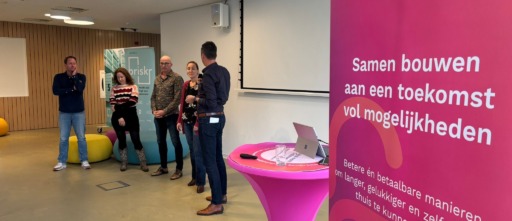
Dearly’s participation in the BANN programme offered a valuable opportunity to test its story in a setting where both impact and scalability are scrutinised. Feedback on the mission and the way the solution combining care, policy and technology was largely positive.
At the same time, the event highlighted how new this topic still is for many investors. Explaining grief as a workplace issue, and a viable business opportunity, often takes more time than a typical software pitch. The experience proved constructive. The team sharpened its positioning, improved its pitch, and gained clarity on how to communicate its hybrid model, strengthening the foundation for sustainable growth.
What comes next
Dearly is now preparing for its next phase. An improved platform is set to launch, and Pieter aims to build on sales and marketing capacity, because awareness is a prerequisite for change, especially with a theme that is “not a sexy topic”. At the same time, Dearly is exploring partnerships, including with occupational health services and insurers, to improve accessibility and scale its impact.
The ambition remains unchanged: to help organisations become places where loss and grief are acknowledged, and where employees are supported with care, consistency and expertise. By doing so, Dearly aims to reduce absenteeism, strengthen connection at work and contribute to healthier, more human organisations.
Do you want to know more about Dearly and get in touch? Please feel free to contact via hello@dearly.nl or via 033-2340155.