Baseboard: turning shop-floor knowledge into dynamic work instructions
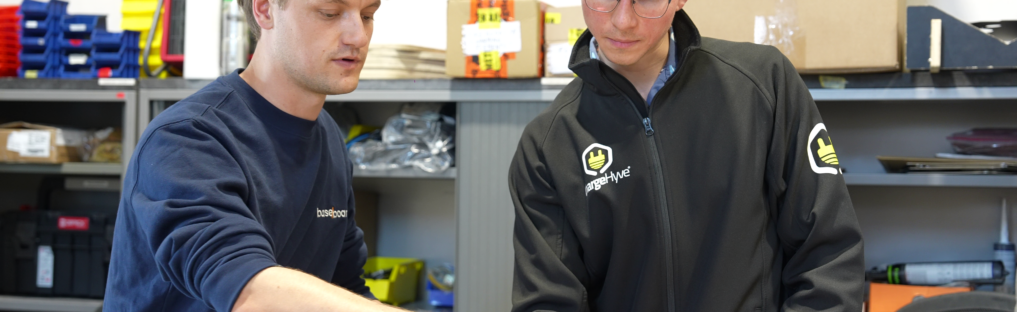
What if manufacturing companies could capture, update and reuse the knowledge of experienced technicians much more easily? That is the idea behind Baseboard. The company develops software that makes the step from engineering to production smarter. In doing so, Baseboard helps machine builders and other manufacturing companies create work instructions faster, safeguard knowledge more effectively and reduce errors in production.
Founder Jasper Admiraal knows this world from the inside. He studied mechanical engineering and went on to work for various machine builders and engineering firms. In those roles, he often found himself between the engineers developing the products and the people on the factory floor who had to assemble them.
It was precisely at that interface that he saw how much time companies were spending on manual work. “Instructions on Post-its, Excel lists with notes from technicians: I saw it all”, Admiraal says. There had to be a smarter way, he thought.
Around five years ago, he therefore took the first steps towards Baseboard. Today, he is building the platform further with a growing team. Baseboard has its first customers on board and has started a new pilot.
From scattered knowledge to a central system
The problem Baseboard addresses is one Admiraal sees in many manufacturing companies. There is often a huge amount of experience on the factory floor. Technicians who have been in the profession for decades know exactly how a machine or product should be put together. They know the right sequence, the points that need extra attention and the practical tricks that are not captured in any formal document.
“That knowledge is particularly vulnerable”, Admiraal says. Many experienced employees will retire in the coming years. At the same time, companies do not always have the time to shadow people on the factory floor and record, step by step, exactly what they do.
Baseboard captures that knowledge centrally and makes it reusable. The platform acts as a knowledge base for production processes. Companies can use it to create and maintain work instructions and link them to the products they are working on. When a new design or machine comes along, they can reuse existing knowledge to organise production more efficiently and consistently.
From video to work instruction
An important part of Baseboard is making it faster to create work instructions. Customers can, for example, upload videos in which technicians perform specific tasks. Using AI, Baseboard turns those videos into step-by-step work instructions.
This saves a great deal of time and often brings new insights to the surface as well. Admiraal mentions the example of a customer that supplies ASML. There, one product line could effectively only be assembled by one person, because that person knew exactly how it had to be done. “By filming the process, we not only captured that knowledge, but also identified improvements in the tooling.”
At another customer, the number of errors fell sharply in the first six months. According to Admiraal, this was because the process had been documented more clearly and consistently. “Once the process has been properly captured, everyone has a better understanding of what they need to do.”
Linked to the design
According to Admiraal, the strength of the platform lies in its connection to the machine design. There are other software platforms for work instructions, but Baseboard links the instructions directly to the output from engineering. This makes it much easier to keep instructions up to date.
That is particularly valuable for companies that build many different systems or products that are still under development. They want to start production while changes are still regularly being made on the engineering side. Baseboard makes it possible to start capturing the production process early. The process then grows along with the design.
The next step in smart production
Baseboard’s ambition goes beyond digitising work instructions. In the long term, the company wants to make the step from engineering to production easier and easier. The ambition is that, in future, a company will be able to upload a product design, after which Baseboard uses the accumulated knowledge base to help determine the right assembly sequence, the quality points that require attention and the approximate time needed for production.
The company is not there yet. For now, the focus is on further growth in the Netherlands. In the coming period, Baseboard wants to expand its customer base and continue developing the software based on new insights from practice.
A network that helps accelerate growth
Baseboard is based in Hellendoorn. Several high-tech regions are important to the company, including eastern Netherlands, South Holland and the Eindhoven region.
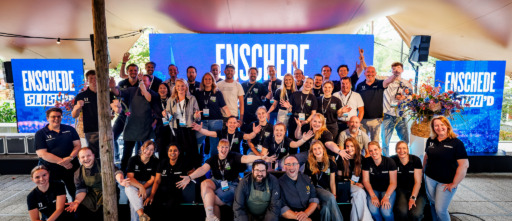
With regional support from organisations including Oost NL, Briskr and Business Angels Network Nijmegen, Baseboard can continue to develop. The company received an investment from Oost NL and took part in our Business Angel Network Nijmegen event. This resulted in new contacts as well as valuable feedback. “We were able to sharpen our pitch, test our market and connect with new angels.”
For Admiraal, such a regional network is important, precisely because Baseboard focuses on small and medium-sized manufacturing companies. These companies are often regionally oriented when it comes to trust, visibility and connections. By being active in different regions, Baseboard can stay closer to the companies the platform is built for.
This is how Baseboard is steadily developing a solution to a recognisable problem in manufacturing: making sure valuable knowledge does not disappear, but remains available to the next generation of manufacturing professionals.